
Teaching Allyship at Any Age: Raising Inclusive Kids During LGBTQIA+ History Month
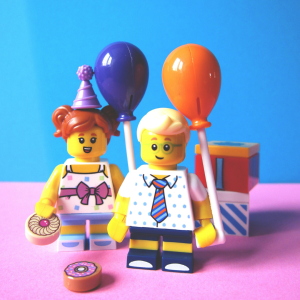
At Kids Co., we know that allyship starts early. Children don’t need to wait until adulthood to learn about fairness, respect, and inclusion. It’s something children practice every day at school, parks, playgrounds, and more. As parents, you can help them by talking about inclusion and diversity from an early age. Here’s how parents and caregivers can help kids build allyship skills at different ages.
Preschool (Ages 3–5): Learning Through Play
At this stage, children are beginning to notice differences and ask questions. Allyship is best taught through simple language and inclusive play.
How to Teach Allyship:
- Books & Storytime: Choose picture books that show diverse families and identities (e.g., Heather Has Two Mommies). Pause to say: “See? Families can look different, but they’re all full of love.”
- Inclusive Play: Encourage children to invite everyone into games. Model phrases like: “Let’s make sure everyone gets a turn.”
- Celebrating Kindness: Praise sharing, helping, and including others. Reinforce that being a good friend means making sure no one feels left out.
Early Elementary (Ages 6–8): Building Empathy
Kids in early grades are learning empathy and fairness. They can begin to understand that some people are treated unfairly and that allies help make things better.
How to Teach Allyship:
- Role-Playing: Practice scenarios: “What would you do if someone was left out?” Give them language like “You can play with us!” or “That’s not kind.”
- Inclusive Language: Teach them to say “friends” instead of “boys vs. girls” when playing.
- Introduce Heroes: Share age-appropriate stories of LGBTQIA+ leaders like Bayard Rustin or Billie Jean King. Connect their bravery to fairness on the playground.
Upper Elementary (Ages 9–12): Standing Up for Others
By this age, children can grasp bigger ideas about identity, fairness, and history. They can also practice being upstanders rather than bystanders.
How to Teach Allyship:
- Respectful Curiosity: Teach kids to ask questions without judgment and to respect answers.
- Standing Up: Role-play how to respond if they hear teasing: “That’s not okay. Everyone deserves respect.”
- Family Discussions: Talk openly about LGBTQIA+ history. For example, share how Pride parades began as protests for equal rights, and connect that to lessons about fairness and justice.
- Community Connection: Take kids to inclusive events or public art in Seattle to show that allyship is part of community life.
Teens (Ages 13+): Advocates in Action
Adolescents are ready to think critically about equity and use their voices in bigger ways.
How to Teach Allyship:
- Critical Conversations: Discuss current events together. Ask: “How can we make our school or community more welcoming?”
- Model Advocacy: Encourage them to join or support clubs (like a school GSA—Gender & Sexuality Alliance).
- Amplify Voices: Teach that allyship also means listening, supporting LGBTQIA+ peers by respecting their identities and speaking up when needed.
- Volunteering: Families can participate in local events that celebrate LGBTQIA+ history and culture, making allyship an active part of life.
When children learn allyship at every stage, they grow into adults who practice respect, compassion, and fairness. At Kids Co., we’re committed to creating spaces where every child feels safe, included, and celebrated for who they are. This LGBTQIA+ History Month, let’s remember: allyship isn’t just taught, it’s practiced, one small action at a time.
You Might Also Like Reading:
Celebrating Hispanic Heritage Month: Teaching Diversity, Culture, and Language Through Play
Teaching Kids About Diversity and Inclusion
Five Tips for Effective Communication with Kids